




Pleasant Valley Baptist Church
By: Frances Putman
Pleasant Valley Baptist Church, located in Liberty, Missouri, is one of the many churches around the country experiencing explosive growth. The three services each weekend—one on Saturday evening and two on Sunday morning—typically draw 3,700 people or more into the church.
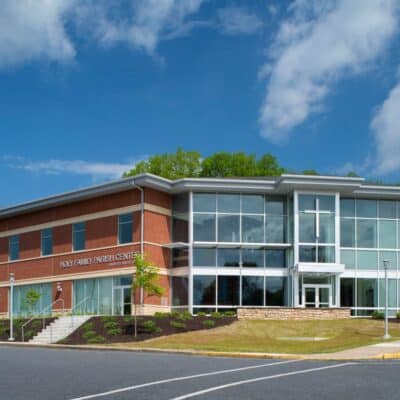
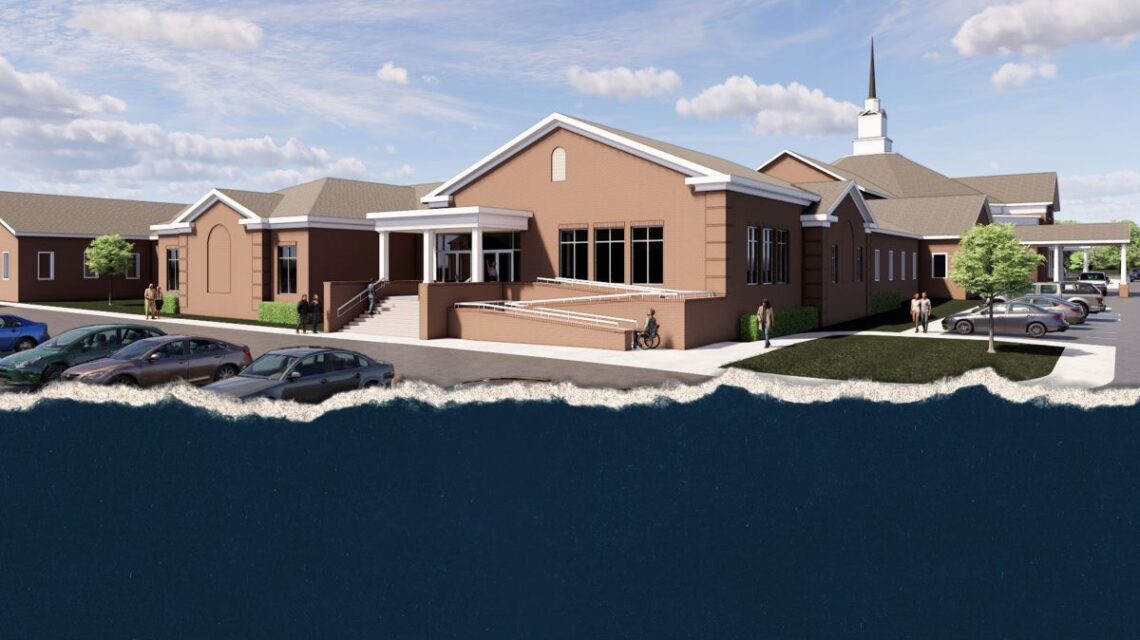
In 1997, 50 years after its founding, PVBC moved to its current location on 75 acres just outside of Kansas City. Currently in the midst of a several phase building project, the church has relied on David Evans, president of Mantel & Teter Architects, Inc., to help determine a vision for growth and update the original campus master plan, based on a prioritization of needs. The second phase of the building project, a 93,000 square foot addition costing $7 million, recently was completed.
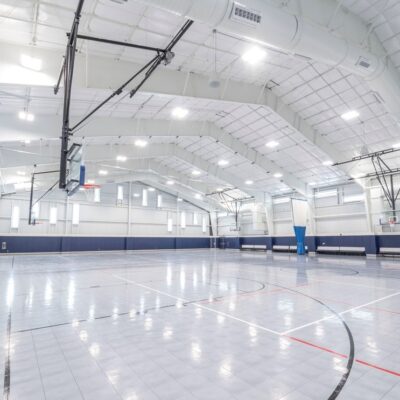
The addition includes a gymnasium and education center, featuring a nursery and preschool area, children’s area with auditorium, youth area with auditorium, game room/recreation area and café.
“The biggest challenge to this project probably has been time,” said Evans, AIA, and a member of the church. “We had a short time schedule to meet the ministry needs of the church, since it was growing so quickly.”
In fact, Evans said there was a real concern of running out of space, particularly in the children’s department.
“We used some materials, like pre-cast concrete, that could go up quickly, so the project could be completed in a shorter time,” Evans recalled.
Even though PVBC is a large church, finances were still an issue, as they are in most all building projects.
“The needs always outweigh the budget,” Evans said. “That’s because you are building for people who will be coming into the church in the future. Not all the people are there yet to help pay for it.”
To overcome this challenge, many of the spaces in the new addition are designed for multiple uses, with neutral colors and industrial-type finishes, which are attractive and functional, yet allow areas to be used for more than one purpose. Some of the walls in the children’s area are movable, so spaces can be reconfigured as needed.
“The student area is very unique,” said Vernon Armitage, senior pastor at the church. “It has a funky décor that really fits them.”
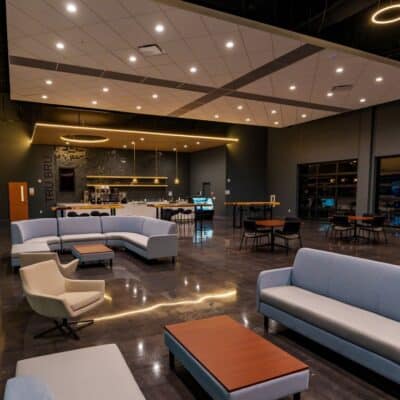
The “Solid Rock” café, located in the youth area, is a warm and casual gathering spot, with sleek furnishings and athletic jerseys from local schools adorning the walls.
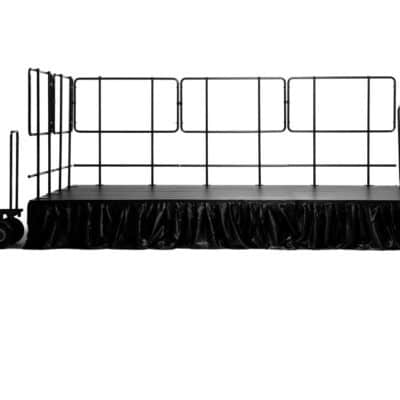
Armitage said young people at the church can order from the café, which is open during youth functions, then go to the recreation area to watch videos or play a game of pool. Also set up are X-Box and Playstation games, and a caged basketball throw. An elevated deejay booth is used for special functions.
A 500-seat auditorium—complete with high-tech audio and video equipment—also in the youth area, is sometimes the stage for concerts by local Christian bands. A separate children’s auditorium, which seats about 400 people, is used for puppet shows and other children’s performances.
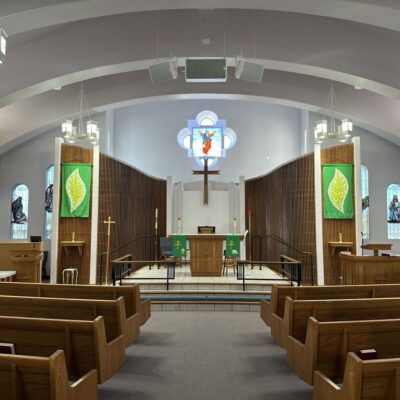
The centerpiece of the first phase of the building project was the sanctuary and huge “Fellowship Foyer,” located in the entryway, which continues to be a focal point of the church.
“This is literally an exhibit hall of ministries,” said Evans. “It’s a way for people to come into the church and immediately see what ministries are available and to get connected to what’s going on. All other areas radiate off this central hub, which is the lifeblood of the church.”
The church holds as its mission “connecting people with God and others,” which can be a tall task in a congregation this large. That’s why areas that allow people to come together for fellowship, or just to “hang out,” were a priority in the second phase. Part of the church’s mission also relates to reaching out to others and opening its doors to the community.
“We have about 2,500 people in the gym every Saturday for the Upward Sports program,” Armitage said, adding that people from outside the church also use the elevated walking track surrounding the gym. “Last year we had about 30,000 people using the church who weren’t church members.”
Local schools have used the church for retreats, and other community groups regularly meet at the church.
When looking for an architect for this project, Armitage said the church conducted an intensive interview process before selecting Mantel & Teter. Finding the right architect to reflect the church’s vision was vitally important. But Armitage has advice for any churches considering a building project.
“It’s about planning, planning and more planning,” he said. “The architect can do no better than the church has planned. Don’t get too detailed about what you are going to do until you know what you need. You don’t want walls dictating what you can do.”
Evans became involved in the project early, meeting with church staff and lay leaders to determine ministry needs. A series of programming workshops helped determine the vision for the church. Together, they discussed how the new addition space would be used and the circulation and flow between the connected areas.
“It’s important to determine logistics, how one part relates to another,” Armitage added.
As part of the process, Evans developed a written program, including a site analysis, feasibility study and financial models. Finally, he was able to lay out a floor plan that would work for the church. More than just architects, Mantel & Teter provided structural and civil engineering services and interior, landscape, acoustical and technical systems design services, as well as cost estimation.
One challenge with building in phases, as PVBC and most growing churches must do, is making sure the exterior blends from one phase to another.
“Buildings can look out-of-sync, like jigsaw puzzle pieces stuck together,” Evans said. “You want the aesthetics of the architecture to match, to look like everything was built at the same time.”
Evans already is working on plans for the church’s next phase, which will include enlarging the sanctuary of this three-story facility. But working from a strong master plan, he knows the addition will not only meet the space and function needs of the church, but also will be aesthetically seamless.
About the Architect
David Evans, AIA is the president of Mantel & Teter Architects, www.mta-kc.com. Founded in 1961, this Kansas City, Missouri-based firm is an architectural and planning firm with a staff of dedicated professionals, providing service to churches across the country. Mantel & Teter Architects specializes in the planning and design of religious, educational and commercial developments.