



![]() |
||||||||||||||||||||||||||||||||||||
|
Planning Your Sanctuary Furnishings
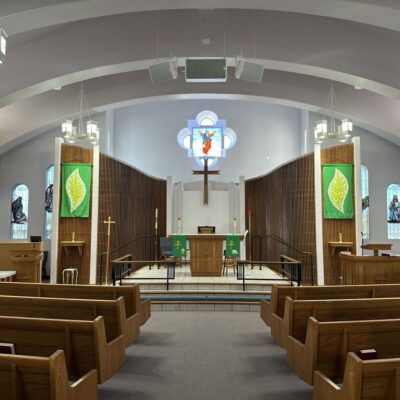
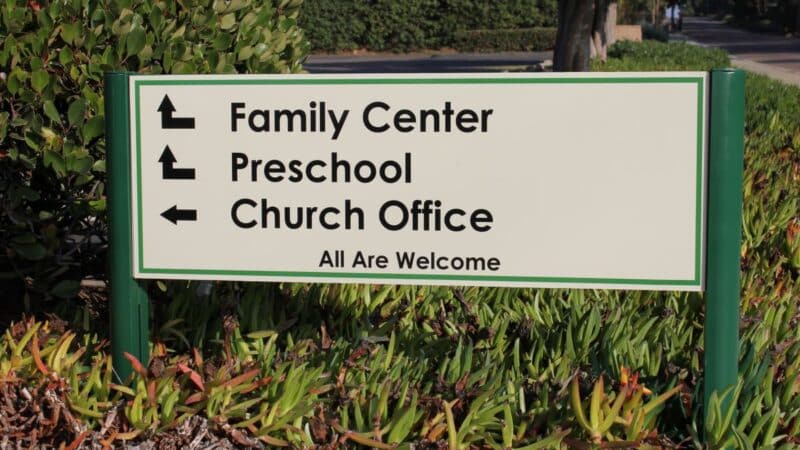
By: Rick Emmelhainz So your church has decided to move ahead on the sanctuary build or renovation, and you “volunteered” for the committee to furnish the sanctuary. Don’t fear. As with any effort, organization and planning are your most important tools. Start with a plan that includes asking lots of questions that will head off confusion later. Some general questions include: By agreeing upon, and focusing on, the answers to these questions, you and your committee will share a common vision. Write answers boldly on large paper and keep them posted during subsequent meetings. Refer to them regularly to keep the “compass” pointing in the right direction. Topics below elaborate on some specific guidelines and introduce questions to help move your discussions forward. Functionality Keep an eye on what will be needed to create an inviting facility for newcomers, as well. Does the flow seem “user-friendly” for those not familiar with your rituals? Has signage been considered at key points to help direct guests? Have sound equipment, screens and lighting been placed strategically to assist without interfering with the flow? Congregations with older parishioners need to address access issues. Will the facility be handicap-friendly for all functions of the service? ADA guidelines address access, not participation, and you’ll want the facility to allow impaired parishioners the ability to be involved with as many aspects of the service as possible. This means wide aisles not just at the entry point, but along sides and in front of the seating area. This also means including lighting and sound equipment that focus on clarity throughout the facility. Visual Appeal Are symbols a central part of the worship experience, or do symbols get in the way of the experience? Some of the largest worship centers don’t resemble traditional churches at all and are completely void of Christian symbols. This is a direct visible statement of their Christian philosophy. Is this appropriate for your congregation or does it offend them? How does light play into the equation? Does the sanctuary have enough natural lighting, or will it need supplemental lighting for different times of the year? Do altar pieces, carpeting, fabrics and wood tone help or hinder your lighting? A small swatch of a dark fabric doesn’t give a hint of what it will do to change a room when it covers 200 chairs or pews. This also can be true of carpeting. Your choice should allow for a wide variety of accent colors, giving maximum flexibility to wood tones as well as fabric colors. Churches that change paraments with liturgical seasons should be mindful of how these colors will look against carpet and fabric choices. If your church typically uses sacramental pieces, such as communionware, these should be factored in. A sanctuary redefined with stone or cool colors may not be as accepting of brasstone pieces, and perhaps silvertone needs to be considered, or vice versa. This can also affect offering plates, offering bags, crosses and candles. Colors and tones should work together in a sanctuary just as they do in a home. Accessorizing also works for sanctuaries. The right choice of items such as plants, banners and altar linens make a strong statement both of beliefs as well as thought given to how people feel when they enter your sanctuary. Durability On the other side of the same issue, investing in quality seating now allows use of today’s furniture tomorrow in another venue and with another purpose. Quality stacking or folding chairs can roll into classrooms or meeting rooms. Pieces that you expect to use now and in the future should have the most durability. Altar pieces, communionware, pulpits, communion tables and altars are usually intended for decades of service without maintenance and should be considered an investment. Current products produced in solid brass or brasstone aluminum have a protective coating, allowing them to not need polishing now or in the future with proper maintenance. Today’s sanctuary furniture set may figure into a smaller chapel in 10 years when the next expansion is scheduled. Take this into consideration now. Finally, the “fix factor” needs to be considered. Less-than-reliable furniture can need constant maintenance. Fabrics that separate on pew seating or chairs, folding mechanisms, light-colored fabrics that easily stain and poorly finished wood are all potential areas for future maintenance. If your church lacks that type of volunteer service from dedicated parishioners or your custodial staff is already overwhelmed, you should consider paying a little more upfront for products that require little or no maintenance. Be careful not to depend too much on the manufacturer’s or dealer’s warranty. Many warranties are prorated, meaning that they will only offer replacement of products based upon their remaining warranty period. A chair with a 10-year warranty that gives out after five years will only have half its value credited when replaced. Warranties are most valuable in determining initial durability. A 25-year chair warranty offers a stronger basic chair than one with a five-year warranty, for instance. Preventive steps such as regular fabric protection, wrapping and storage of seldom-used pieces will extend the life of any sanctuary investment. All fabrics used on pews and on chairs have a “rub factor” that determines how well they will wear over time. Ask about this before making a final decision on your fabric of choice. Likewise, composition of fabric and carpet (olefin vs. nylon for instance) determine clean-ability and color retention over time. Cost While sticking to a budget usually functions as the 11th Commandment in many churches, having a “soft edge” is probably more realistic. Build in a 5 to 10 percent “fudge factor” that allows for the budget to expand and contract based upon events that are outside of your control. A working budget also takes into account variances in pricing based upon durability or aesthetics. Finally, the typical church has one great advantage over businesses when working with budgets. While businesses base budgets upon projected revenue, churches typically don’t commit until the funds are fairly secure, whether through pledges or actual donations. This becomes leverage for a church to provide money down upon order to help reduce costs. Many companies will give prepayment discounts or no-term discounts to help their own cash flow. Available cash also allows a church to commit to a purchase early on helping to avoid price increases that come down later. Planning and executing a sanctuary furnishing program can be exciting and filled with joy for all involved. Using some of the guidelines above will make the process more predictable and enjoyable. Focusing on function, aesthetics, durability and cost will keep surprises to a minimum and enjoyment to a maximum. Rick Emmelhainz is co-owner of ChurchPartner Resource and Distribution Service, Inc., www.churchpartner.com |
|
||||||||||||||||||||||||||||||||||
|
||||||||||||||||||||||||||||||||||||
|
For Christian School Products, Reviews And Resources Visit The Christian School Products Website |