

Before 2020, most churches treated livestreaming as an optional add-on. A few used basic camcorders, while others relied on smartphones on tripods. Many had no video at all. If a congregation member missed a service, they simply missed it.
Then COVID-19 changed everything.
Overnight, physical church doors closed, but the spiritual mission could not. Worship had to go digital, and it had to happen immediately. Churches scrambled for a way to reach their congregations. The solution that rose above all others was the PTZ camera.
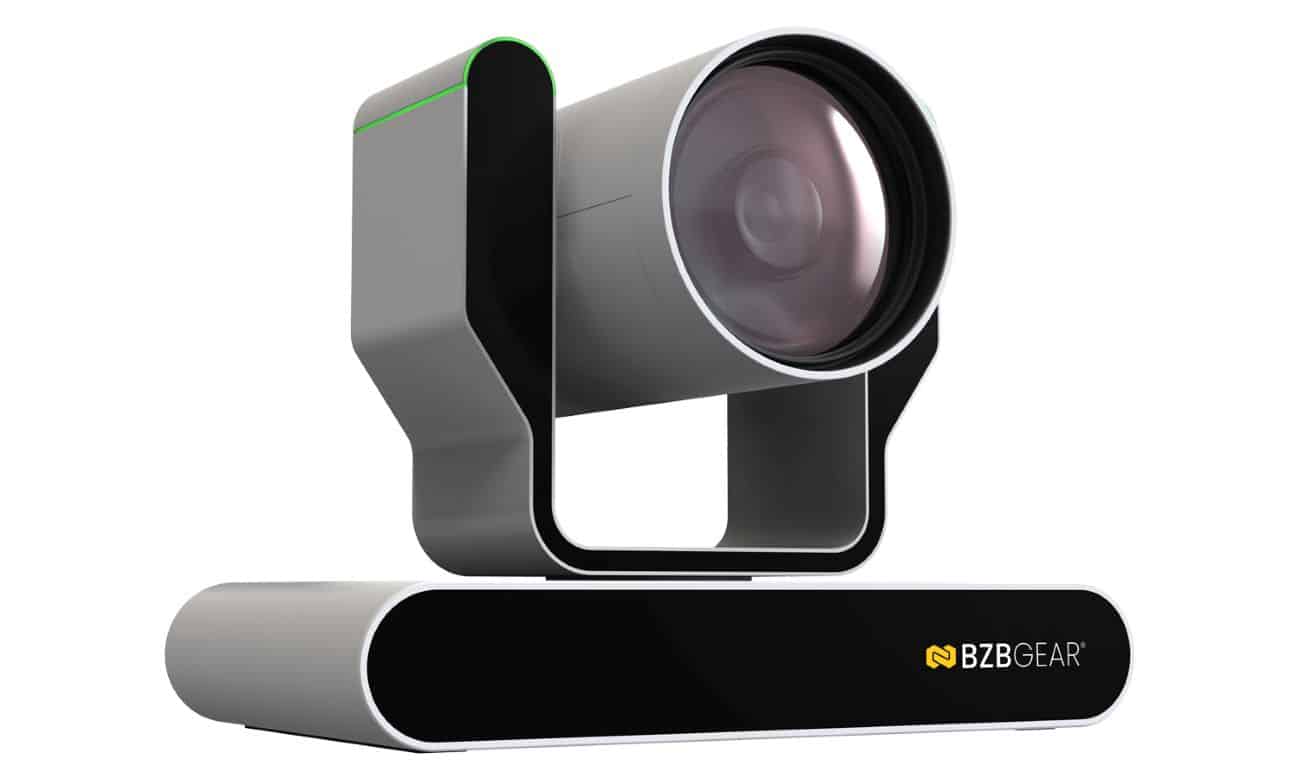
Pan-Tilt-Zoom (PTZ) cameras became the backbone of modern church broadcasting because they solved three problems at once: quality, efficiency, and accessibility.
What began as a crisis response has now permanently reshaped how worship is delivered and experienced.
Before PTZ Cameras: When Livestreaming Was a Compromise
In the pre-PTZ camera era, most churches that streamed services did so with whatever equipment was available. This usually meant consumer camcorders, DSLRs, smartphones mounted on tripods, and, in some cases, a volunteer holding a phone.
These setups created constant challenges.
The image quality was inconsistent. Autofocus hunted. Audio was disconnected. Framing was static. Every camera move required someone physically touching the camera, often causing shaky footage or distracting movements. Lighting changes threw off exposure. Volunteers needed training just to keep things usable.
The result was a broadcast that felt more like a security feed than a worship experience.
PTZ cameras changed that equation completely.
Why PTZ Cameras Changed Everything
PTZ cameras were built for exactly what churches need: professional video without professional staffing.
Unlike consumer cameras, PTZ cameras are designed to be permanently mounted, remotely controlled, and digitally integrated into production systems. From one joystick or control panel, a single operator can run multiple cameras while changing angles, zooming in on the pastor, capturing worship musicians, and showing the congregation.
Suddenly, churches could deliver:
- Smooth, cinematic camera movements
- Consistent framing and focus
- Broadcast-grade image quality
- Multi-camera productions without large crews
When lockdowns hit, PTZ cameras allowed churches to scale from zero to full broadcast overnight. A small team, even one volunteer, could produce what used to require five or six people.
The Catalyst That Made PTZ Cameras Essential
During lockdown, livestreaming became the only way churches could exist in public. Worship services, prayer meetings, youth programs, and Bible studies all moved online.
This was not just a church trend. The entire world went virtual. Education moved to distance learning. Businesses shifted to video conferencing. Conferences, weddings, and community events all became streamed experiences.
PTZ cameras exploded in demand because they were perfectly suited for this new reality. They were easy to install, easy to control, and worked seamlessly with streaming platforms like YouTube, Facebook Live, and Zoom.
For churches, PTZ cameras were not just a tool but a lifeline.
A New Way for Congregations to Connect
One of the most important outcomes of PTZ camera-driven livestreaming was how it changed access to worship.
Today, churchgoers attend services in more ways than ever:
- From home when they’re sick
- From another city or country
- From assisted living facilities
- While traveling
- When weather makes travel unsafe
PTZ cameras make this possible by delivering a viewing experience that feels intentional and immersive, not like someone watching from the back of the room on a phone.
The ability to zoom in on facial expressions, worship leaders, or scripture readings brings emotional connection to people who physically cannot be there. That connection keeps them engaged, supported, and spiritually connected to their community.
From Camera to Complete Production: The Ultimate Trinity of Church AV
As churches matured in their livestreaming, one thing became clear. PTZ cameras work best when paired with two other technologies.
This is what we call The Ultimate Trinity of Church AV: PTZ Cameras + Production Switchers + Joystick Controllers.
Each plays a distinct role:
- PTZ cameras provide high-quality video and remote control
- Production switchers select which camera feed goes live and add graphics, lyrics, and transitions
- Joystick controllers allow operators to move cameras smoothly and recall preset angles instantly
Together, they create a professional broadcast environment that is surprisingly simple to run.
A volunteer can press one button to switch cameras and another to recall a saved camera shot. The result is a polished, television-style production without complexity.
This trinity is what turns livestreaming from a technical burden into a repeatable, reliable ministry tool.
Why This Matters for Churches of All Sizes
One of the biggest myths about broadcast-quality production is that it’s only for megachurches. PTZ camera-based systems break that barrier.
Because PTZ cameras are remotely controlled, a small church can operate multiple cameras with one person. Because they integrate directly with switchers, churches don’t need complex signal routing. And because presets handle framing, volunteers don’t need years of training.
This democratizes high-quality worship broadcasting.
A church with 50 members can produce content that looks just as polished as a church with 5,000 members.
The Future of Worship Is Here
PTZ cameras didn’t just help churches survive the pandemic. They helped churches evolve. Today’s congregations expect to worship wherever they are. PTZ camera-powered livestreaming makes that possible, while preserving the emotion, intimacy, and community that define the churchgoing experience.
What began as an emergency solution has become a permanent advantage. And for churches embracing PTZ cameras, the future has never looked more connected.
Florante Ancheta is senior marketing manager for BZBGEAR, which offers audio/video products for live streaming and signal distribution for commercial and residential environments, www.bzbgear.com.