

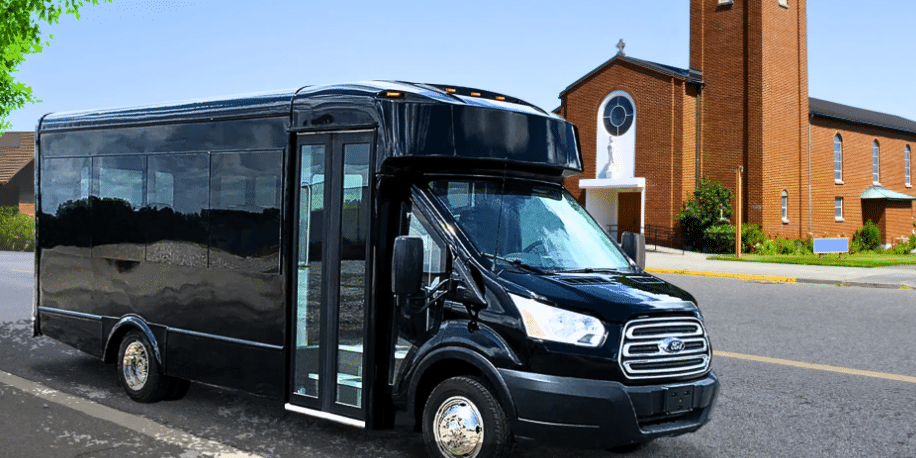
Some of the most encouraging conversations I have had with church leaders begin with transportation. A church wants to reach more people, make it easier for members to attend services, support youth programs, or expand community outreach.
A bus or shuttle becomes part of that vision. When it is planned and purchased correctly, transportation can be one of the most effective tools a church has to remove barriers and bring people together.
A church bus should be an asset, not a source of stress. When the right vehicle is matched to the right use, transportation quietly does its job week after week. Volunteers feel confident, programs run smoothly, and leaders rarely have to think about the bus at all.
The challenges arise not because churches invest in transportation, but because bus purchasing is often approached as if it were the same as buying a car. It is not.
Understanding those differences allows churches to enjoy the benefits of transportation while avoiding unnecessary risk.
How Church Transportation Needs Really Evolve
Most churches do not begin with a long-term transportation strategy. They start with a specific need. It might be a weekly shuttle for Sunday services, a bus for youth activities, or transportation for seniors who no longer drive.
Over time, those needs often grow. Senior ministries expand. Outreach programs add destinations or frequency. Conferences, retreats, and special events introduce new demands.
I have seen churches underestimate how quickly transportation needs can change. Planning only for today can leave a ministry constrained tomorrow, while overextending can create complexity that is difficult to manage. This is especially true when vehicles are driven by volunteers rather than professional drivers.
Flexibility, accessibility, and long-term suitability matter far more than many people expect at the outset.
Safety, Liability, and Reliability Are Foundational
Whenever I speak with church leaders, safety is always the first topic raised…and rightly so. Churches transport children, seniors, and volunteers, often under public scrutiny. Liability is real, and the consequences of an incident can be serious both legally and relationally.
What I consistently emphasize is that reliability is inseparable from safety. A vehicle that breaks down unexpectedly does more than disrupt schedules. It creates stress, erodes volunteer confidence, and undermines trust.
Modern buses and shuttles are designed with improved braking, visibility, accessibility, and structural safety, all of which contribute to peace of mind. These features are not optional upgrades. They are foundational elements of responsible church transportation.
Why I Encourage Churches to Think Carefully About New Vehicles
One of the most common misunderstandings I encounter is the belief that buying a bus is similar to buying a personal vehicle. In practice, the two markets operate very differently. Buses are not lifestyle upgrades. Operators do not trade them in because a newer model looks appealing.
Buses are workhorses, kept in service until repair costs, downtime, or risk become unacceptable. In many cases, fleet vehicles are only sold or traded-in once they begin to cost operators too much money or when savvy fleets replace them just before that point.
This distinction matters because the used bus market functions very differently than the used car market. When a bus becomes available as a used vehicle, it is often approaching a period of increased maintenance, higher repair costs, or greater operational risk.
That does not mean every used bus is a poor choice, but it does mean the buyer is inheriting uncertainty that is not always visible at the time of purchase.
There is another reality churches deserve to understand. Dealers and sellers generally make considerably more money on used buses than on new ones.
New vehicles are competitively priced, standardized, and transparent, particularly when it comes to warranty coverage.
Used vehicles allow for greater pricing flexibility and margin. When I recommend new vehicles to churches, it is not about increasing profit. In many cases, it is the opposite.
I encourage new vehicles because they reduce risk. They offer known histories, predictable performance, and comprehensive warranty protection. For churches whose transportation programs support worship services, youth activities, and community outreach, minimizing the likelihood of untimely breakdowns is far more important than minimizing upfront cost.
Understanding how the bus purchasing landscape differs from the automotive world helps churches make informed decisions grounded in stewardship rather than assumption.
The Real Cost of Untimely Repairs
I have seen churches focus narrowly on repair costs, measuring risk only in dollars. In reality, the true cost of a breakdown is much broader. Cancelled programs, disappointed congregants, frustrated volunteers, and stressed leadership all come into play.
Because church transportation often relies on volunteers, reliability directly affects participation. Volunteers who experience repeated breakdowns or operational challenges may hesitate to continue driving. Avoiding these situations is not just about saving money. It is about protecting people, trust, and the ministry itself.
Why Leasing Often Makes Sense for Churches
Leasing is frequently misunderstood and sometimes dismissed too quickly. Many assume it is only for large organizations. In practice, I have found leasing to be one of the most effective tools churches can use to manage risk and maintain flexibility.
A well-structured lease aligns vehicle cost with use over time, creating predictable monthly expenses that support budgeting and planning. When the lease term matches the manufacturer warranty, churches can significantly reduce exposure to major repair costs. That alignment allows leadership to focus on ministry rather than mechanical uncertainty.
Leasing also provides flexibility at the end of the term. If transportation needs change or programs evolve, churches are not locked into long-term ownership of a vehicle that no longer fits. They can reassess whether to continue, upgrade, or step away from a transportation program altogether.
From a stewardship perspective, leasing is not about avoiding commitment. It is about managing risk responsibly.
When Purchasing or Financing Is the Right Path
There are situations where purchasing or financing makes sense, particularly for churches with stable, long-term transportation needs. When ownership is the right choice, it must still be approached thoughtfully.
Extended warranties, proactive maintenance, and a clear replacement strategy are essential. Churches that plan to keep vehicles long term must also plan when to exit them, ideally before repair costs and reliability issues escalate.
Ownership should always be evaluated based on total cost of ownership, not just purchase price.
Common Pitfalls I See Churches Encounter
The most common mistake I see is focusing solely on upfront cost. Used vehicles may appear to stretch a budget, but they can introduce hidden risks that outweigh short-term savings.
Other pitfalls include choosing vehicles that are difficult to service locally, underestimating accessibility needs, or selecting a procurement method without considering long-term consequences.
Another challenge is lack of specialized guidance. Church transportation has unique requirements, and decisions made without proper context can create avoidable problems later.
Choosing a Partner, Not Just a Bus
In the end, churches are not just buying a vehicle. They are choosing a partner to help them navigate a complex decision with long-term implications. The right partner educates rather than pressures, explains options clearly, and supports the church well beyond delivery.
I have seen how the right guidance can turn transportation into a reliable extension of ministry rather than a recurring source of stress.
Protecting the Mission Through Thoughtful Decisions
Transportation enables churches to serve their communities more fully when it operates reliably and predictably. Whether a church chooses to lease, finance, or purchase, the goal remains the same: reduce risk, avoid untimely disruptions, and protect the hard work invested in ministry and outreach.
When church leaders approach bus decisions with clarity, foresight, and a stewardship-focused mindset, transportation becomes what it should be: a quiet, dependable tool that helps the church fulfill its mission today and well into the future.
David Schetky is the co-owner of Schetky Bus & Van Sales, which has served churches, nonprofits, schools, and community organizations for more than eight decades, www.schetkynw.com. He is a fourth-generation transportation professional with more than 25 years of experience in the bus industry.