

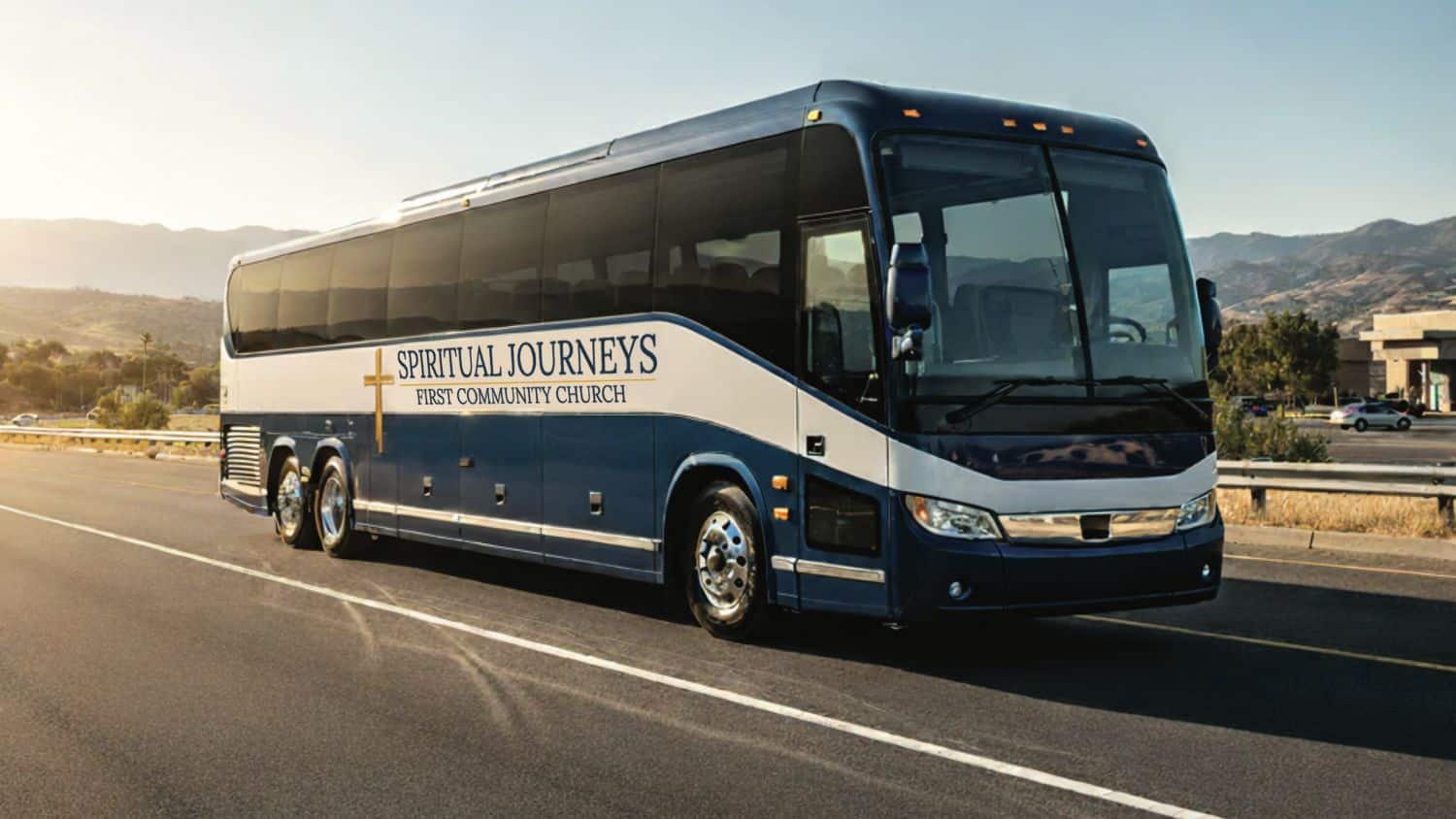
Your ministry is growing, and your current vans might not cut it anymore. This article helps you identify the signs it’s time to upgrade to a bus—and how to make the move wisely.
The Ministry Moves We Can’t Afford to Miss
Years ago, I was on church staff during a season of rapid growth. Our fleet of vans worked fine, until it didn’t. Kids showed up for events, but we had to turn some away because our vans couldn’t handle the load.
Multiple trips stretched drivers thin and drained momentum. It was a real-world lesson in how ministry vision can hit a wall when your vehicles can’t keep pace.
That tension between vision and vehicle is at the heart of this article. You might be ready to buy a bus—and have every good reason to—but what matters most is knowing when upgrading is the right move for your congregation, your budget, and your mission.
- Your Van Can’t Keep Up with Growth
Growth is a blessing, but it brings headaches. A 15-passenger van might have worked for your youth group last year. But now you’re turning kids away from retreats or making multiple trips every Sunday.
Upgrading to a small coach or shuttle bus can cut those trips in half, reduce fuel costs, and offer a more comfortable ride that reflects well on your ministry.
- Accessibility Isn’t Optional Anymore
Churches are called to serve everyone — not just the able-bodied. ADA-compliant buses with wheelchair lifts, handrails, and wide aisles let seniors and members with mobility challenges participate fully.
This isn’t just about compliance or checking a box. It’s about reflecting the heart of your congregation.
Learn more about ADA requirements and accessibility options for church transportation at the ADA National Network.
- The Cost-Per-Mile Reality
Used buses — especially those built on commercial-grade platforms — often outlast vans. When you factor in insurance, maintenance, and repairs, a well-maintained shuttle or mini coach can be more cost-effective per mile than cycling through vans every few years.
- Mission Demands Mobility
Church life today goes far beyond Sunday mornings. Retreats, outreach events, weekday programs, and youth camps all rely on dependable transportation.
Owning a bus means you’re not juggling rentals, carpool coordination, or favors. You control the schedule, the safety, and the stewardship.
- The Resale and Replacement Curve
Properly maintained commercial buses hold their value. We regularly work with churches trading up or down as their needs shift. With financing help and nationwide delivery, upgrading doesn’t have to be overwhelming.
Best Bus Types for Churches
- Ford E-350 Super Duty — Ideal for congregations under 15 passengers (no CDL needed)
- Chevrolet Express Cutaway — Versatile and reliable for mid-sized groups
- Thomas Built Minotour — Small bus platform known for school-bus durability
- ADA-Compliant Shuttles — Essential for ministries serving elderly or disabled members
How to Know It’s Time to Upgrade
- You’re turning people away from events due to lack of space.
- Maintenance costs are outpacing what a bus payment would be.
- Members needing ADA-accessible transport are being excluded.
- You’re renting vehicles frequently or juggling unreliable carpools.
Stewardship and Service
Yes, upgrading church transportation is a line item on a budget, and, spiritually, it’s about stewardship. But also about opening doors — literally and figuratively — to greater participation, deeper connection, and expanded ministry reach. I’ve seen congregations transformed when they finally had the right vehicle to carry their vision.
So, if you’re feeling the strain of your current fleet, take it as a sign. Your ministry is growing, and the right bus might just be the next step in your journey.
Steve Mitchell is the editorial director at BusesForSale.com, where you can explore church-ready buses, ADA options, and financing support.