




|
Money is one of the most sensitive issues in the church. No one really wants to talk about it, but it plays such an important role in so many facets of your church’s operation and growth. There are so many questions out there: Are we asking for enough money to accomplish our goals? Are we asking for too much or too often? Can we afford to build a new sanctuary? Who should we select to guide us through various financial situations? How should we structure our next giving campaign?
In our annual finance section, we have tried to touch base on several issues that affect your church financially, drawing from some of the most respected names in the business.
Here are some great “take-aways” from this section.
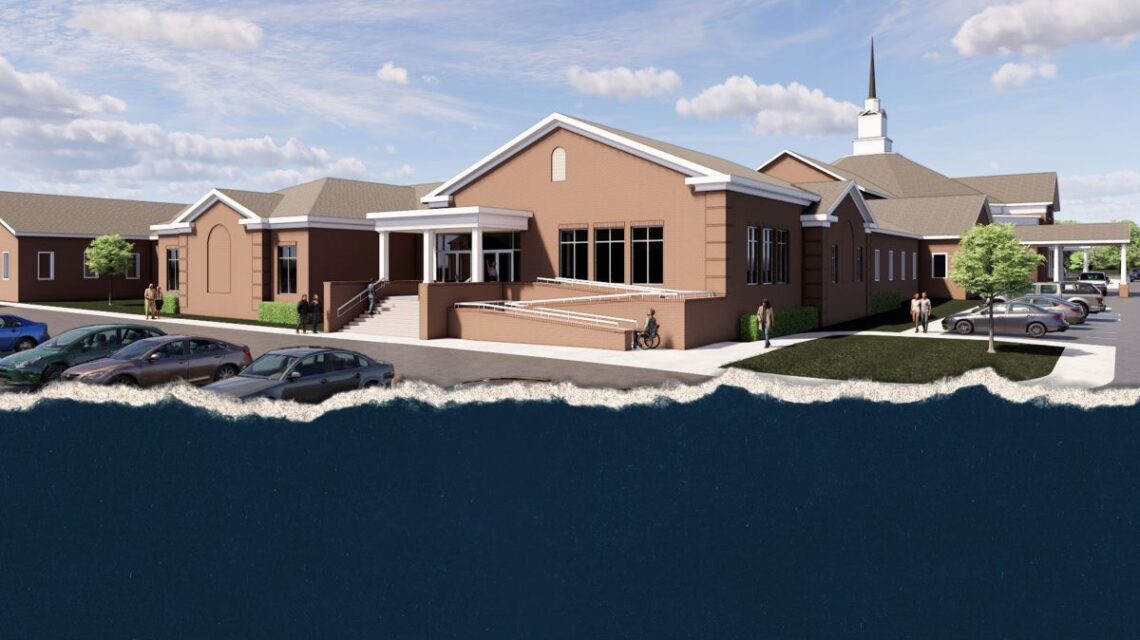
Affordability of a New Building The evaluation process to determine if your church can afford a new building is a tool that provides key information for the church’s leadership to better assess the affordability question. The evaluation process provides a 10-year cash flow projection and enhances the church’s ability to obtain financing by demonstrating to potential lenders that leadership really understands the church’s present and projected financial health. Once the information is gathered and put into a structured form, leadership will gain additional information by performing several “what if” scenarios.
Choosing Your Financial Partner Factors to consider and questions to be answered when making the decision between “bank, credit union or bond” include experience, expediency, clarity and cost. How long will the review and approval process take? How much experience does the financial institution have? Are they committed to the market? Can they loan to all faith-based organizations or only those who fit their faith profile? Will covenant and loan documents be relevant, clear and concise? How much are the additional costs beyond rate and fees? Will contributions decline if constituents are asked to “invest” in the organization through the purchase of bonds? If we receive a large financial gift, will we be able to prepay our loan without a penalty? What additional requirements are there for construction loans?
Increasing Church Income Electronic fund transfer is the wave of the future. The benefit is ease, simplicity and consistency. EFT will make the giving experience easy and automatic. The benefit to the church is that you will not lose the donation when the donor goes on vacation or misses a Sunday. It costs approximately $1 to set up an account and 25 cents per transaction. A variation on this theme is to set up automatic credit card monthly contributions. Again, look at it from the donor’s perspective: some people get travel miles or money back from their credit card companies. Think about your summer dip in attendance and giving. Isn’t about time you did something to address the summertime blues?
Finding Support for the Capital Campaign People are supportive when they have had significant input into the project and they feel that the project is their own idea. In order for lay ownership to be fully developed, the people need to be properly informed about the church’s intended project, its place in the overall mission and vision of the church, and have ample opportunity for input and feedback. When a small group of leaders make the decisions about their building plans with little or no input from the congregation, then they can expect only minimal results from their people. People need the opportunity to work through the building issues for themselves in order to develop the needed level of support. |