



High Desert Church, Victorville, California
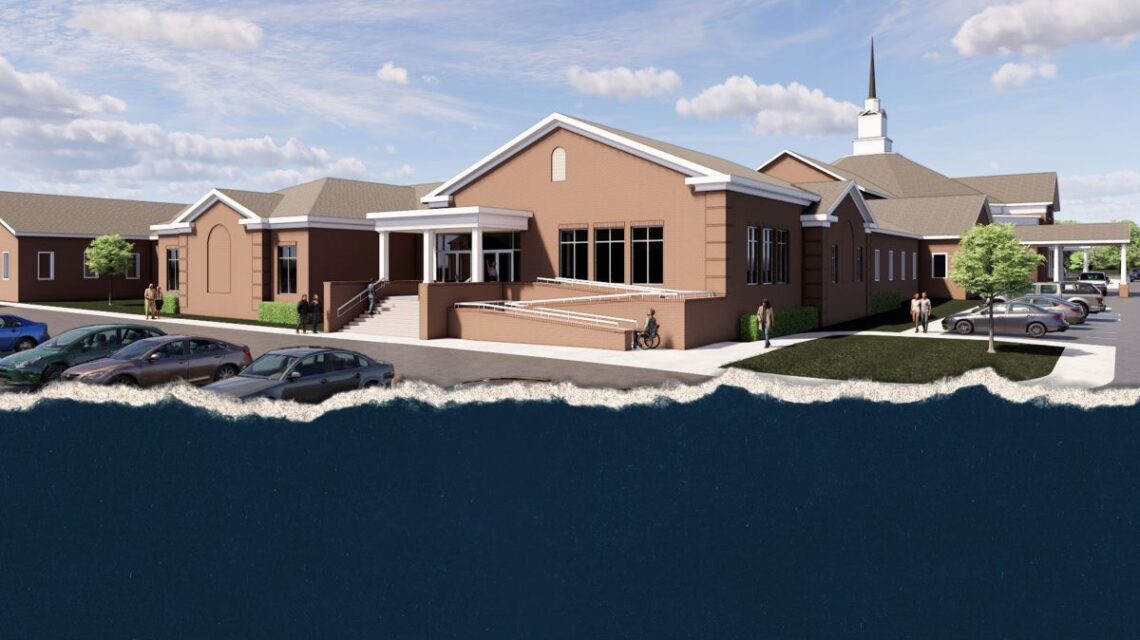
High Desert Church in Victorville, California, is a congregation that, like many others in popular communities across the U.S., is facing tremendous growth and the pains that come with it. They had an original master plan that was outdated and inadequate to meet the needs of their expanding congregation. The church took advantage of open land adjacent to their existing campus, and RNL Design completed a master plan for its 56-acre site.
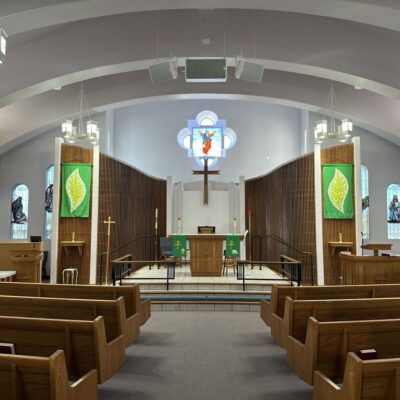
The process commenced with three days of interactive programming sessions with key church staff, which led to two separate on-site design meetings to develop a master plan and capture a conceptual vision. The church wanted to renovate its existing 2,000-seat auditorium and planned to construct multiple new worship venues to better suit their large and varied congregation.
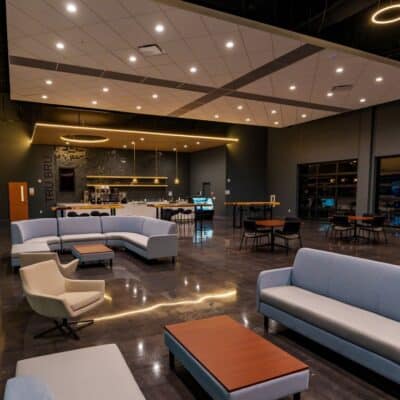
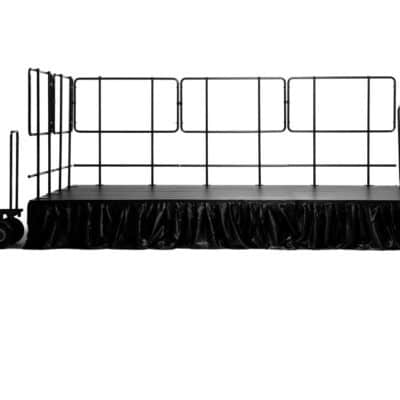
The design concept was to organize these venues around a central fellowship facility, which accommodates 1,000 tables and chairs and has a stage, visitor's center, two cafes and a bookstore all under one roof. The various outdoor spaces and all worship venues will be connected via water, and the main fellowship space features shade structures and an outdoor water terrace.
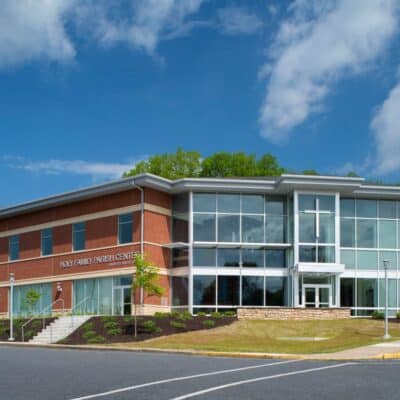
The multiple phases of the campus-style master plan's build-out include capacity for more than 8,500 at a time with 3,800 parking spaces, new 2,500-seat and 1,000-seat worship venues, renovated 1,500-seat and 600-seat worship venues, 200-seat chapel, two-story children's education building for 1,700 children, two-story building with multiple youth worship venues, adult classroom spaces, and a two-story, atrium-style administrative office building. Future plans include a family life/recreation center.
In order to build the worship center large enough to accommodate the church's needs, while still maintaining acoustic volume, the facility needed to be about 10 feet taller than was allowed in current city building codes.
Representatives from the church and RNL met with the city to request a height variance, pointing out that the facility would be a community resource. The auditorium could be used for high school graduations, concerts, town hall meetings and the like. The city agreed, also allowing height variances for three other buildings to be built in the future, including a 150-foot spire to mark the campus as a landmark in the community.
"The church was very proactive about meeting with the city officials to show their willingness and openness to the community's needs at large," said Douglas A. Spuler, AIA, LEED AP, principal architect on the project. "And it worked. We got 10 feet additional height, and the acoustic volume of the worship center was maintained. The other option was to greatly reduce the seating count or bury the auditorium into the ground, which would have caused major issues."
Going Green
Sustainability is becoming a new trend in church design. High Desert Church provides inspiration for churches considering "going green" in future building plans.
Phase I, now underway, includes the first 63,000 square feet of an eventually 100,000-square-foot children's' ministry facility. This state-of-the-art design features three separate flexible performance spaces and will expand in future phases.
In the children's' ministry facility, sustainable design became a unifying approach to the church's request to incorporate fun design elements that relate to children along with providing the new campus-wide "architectural language" and style.
The site was the first consideration for implementation of green strategies. To ensure sustainability, structures must be designed with their climactic and temporal performance as a specified goal. Siting, solar orientation, design features and material selections should accommodate geographic location, topography, site conditions, building function and actual seasonal/daily uses.
Strategies to reduce heat island effect and incorporate more effective stormwater management processes became part of the project. Ecocrete, a pervious concrete, is used as a green alternative to traditional concrete or asphalt pavement for parking areas. The use of this product eliminates most, if not all, underground piping. And, because it is concrete, not asphalt, its color reflects instead of attracting heat, keeping the campus cooler and the church's energy bills lower.
A green roof near the playground provides a landscaped outdoor group interaction space on the second floor and further helps reduce the heat island effect along with other light-colored roofing materials. A cone-shaped water feature and other playful fountains connect the children's ministry building with the worship venues and help knit the outdoor spaces together. An oasis in the community, the water features provide evaporation, which helps lower local air temperatures, and provides a soothing white noise throughout the entire campus.
The building's exterior stucco and stone respect desert materials and are locally harvested, reducing energy demands for transportation. The exterior materials will help create a heat sink during winter months, therefore lowering heating bills. Nautical fabric shade structures enhance the playground and upper patio, as well as provide desperately needed areas for shade in the hot desert climate. Shading helps keep lower demands on the building's mechanical cooling systems.
A key to High Desert Church's growth plans is the incorporation of a campus-wide central chilled water plant, which is designed for flexibility, allowing it to expand over time as the church grows. The chilled water plant consists of centrifugal liquid chillers, ice thermal storage units and a water-side economizer, allowing the church to make ice during off-peak hours when energy is less expensive. The ice can then be used during the day for cooling, thereby reducing the overall energy usage required. The Centrifugal Liquid Chillers minimize the need for interior equipment space while maximizing ease of maintenance.
Occupancy sensors throughout allow automated control of the buildings' HVAC systems to optimize energy use during unoccupied periods. However, an overall Building Automation System (BAS) allows the church to control and monitor the entire campus system from a remote operator workstation when necessary.
The spaces inside the building are designed for learning and family interaction. The children's ministry becomes an interactive learning laboratory, providing an educational tool for learning about how green design efforts impact the overall community and environment. The space provides this opportunity not only for the children, but also for other large groups of young adults who will also use the space. The interior carries the same shade fabric theme when adjacent to entry plaza, upper patio and green roof.
Specific areas called "Points of Transformation" with green design elements occur both on the interior and exterior to teach children about their faith through various interactions.
RNL's designers provided daylighting modeling using state-of-the-art software to ensure the result was optimum performance. The daylighting in most of the classroom spaces will provide 100 percent of the lighting required during the daytime and greatly reduce energy usage.
The optimal approach is an owner dedicated to implementing successful design, working in collaboration with local utility representatives, and a design team integrated across all disciplines (architecture, landscape architecture and engineering).
The result is a building that uses less energy to build than its traditional counterparts, uses local materials and strategies to lower operating costs, reduces the impacts on local infrastructure systems, and allows the church to put more tithes and offerings towards ministry instead of utility bills.
RNL Design, www.rnldesign.com, is an integrated full-service architectural firm with offices in Denver, Los Angeles and Phoenix, serving clients locally, nationally and internationally.