



The Changing Nature of Church Design
By: Robert C. Forman
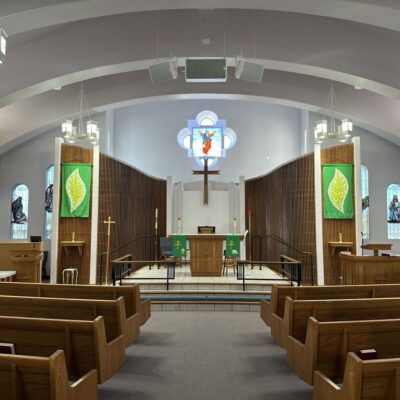
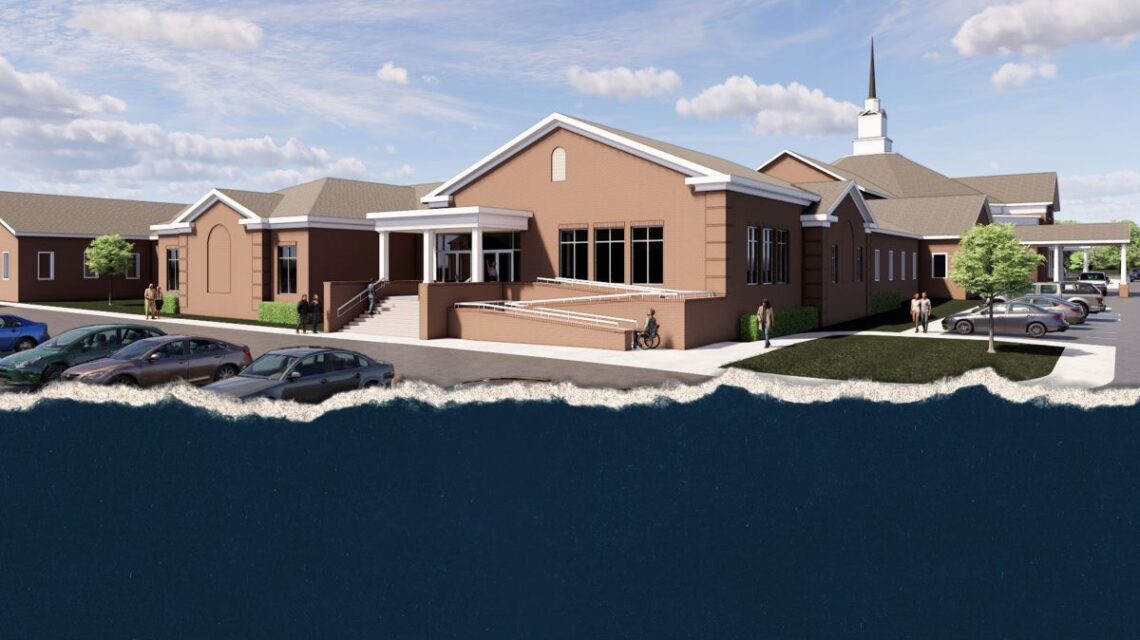
The typical church building of the 20th century looked a lot like the typical church of the 19th century. However, the style and look of the typical 21st century church is very different. These differences started happening in the last 20 years and will continue to happen for a variety of reasons.
Traditional design and ornate architecture are expensive and very labor intensive. Church architecture is becoming simpler and plainer due to tight budgets and the need to build more building for less money. Even large churches that can afford “nicer” buildings often choose to spend their money on space and technology rather than traditional design features.
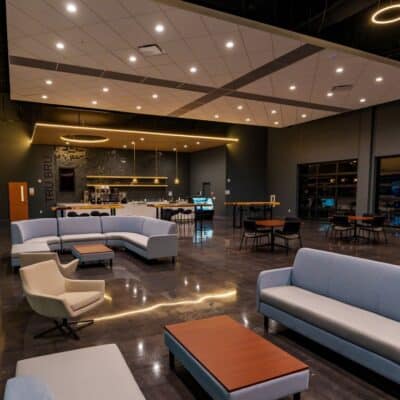
We are being forced by budget constraints into finding more and more ways to use the same building space for many different functions. The trend is to have large rooms that can serve as worship and fellowship spaces, as well as for indoor recreational activities.
Smaller spaces used for educational purposes are being created out of larger spaces, and, in many cases, groups of classrooms can be opened up to form larger assembly rooms by use of operable walls. This multi-purpose nature of many building spaces is having a profound impact on the way our buildings look. The large, open look that some churches have today from the outside is partly the result of the trend toward multi-purpose space.
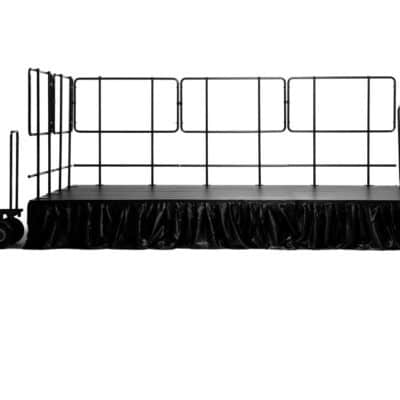
The nature of the worship space for a segment of the church community is changing to meet the needs of newer styles of worship. The trend is for the sanctuary space to be more of a multi-purpose performing arts facility. The choir loft is giving way to the large multi-purpose stage. Sanctuaries with large windows are giving way to rooms with darker rooms with high-tech lighting systems similar to those used in performing arts theaters.
Air conditioning and heating systems, elaborate lighting, and sound and video systems are allowing us to use buildings in ways we could not imagine only a few years ago. Buildings are becoming high-tech tools for worship, entertainment, education, recreation and fellowship. The technology is driving the design, and the way buildings look are partly a result of the way technology has impacted design. As buildings become more high-tech, the very fabric of the building itself will be subject to constant change to suit the need and function of the moment.
There has been a trend among some churches who are trying to be “seeker sensitive” to depart from the traditional architecture of the church so as to appeal to the “unchurched” crowd. These churches are giving up their traditional looks so as not to turn off the unchurched. The theory being that some traditional icons of the church may keep some people from attending church.
Is the design decided by function or aesthetics? Some churches will look to build a shrine or a monument. However, the church that values function and understands that buildings are ministry tools will instruct their architect to be sensitive to the ministries of the church and to design around the church’s functional needs. The church that values aesthetics, and knows that the image it projects in the community is important, will make these values clear to its architect. Both the architect and the church should be sensitive to the guidance of God’s Holy Spirit and seek God’s direction in decisions about function and aesthetics.
Studying the trends in church design in the last 20 years will permit one to see the evidence for the continuation of these changes. Will these trends continue to change church buildings? Here’s a room by room analysis of current utilization of space within a church.
Exterior
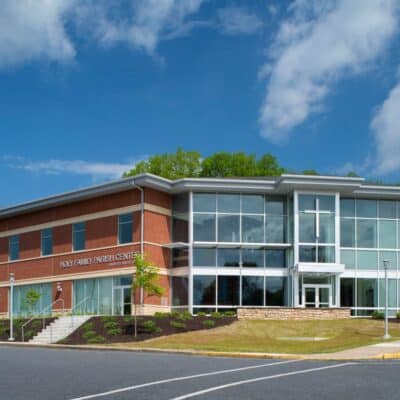
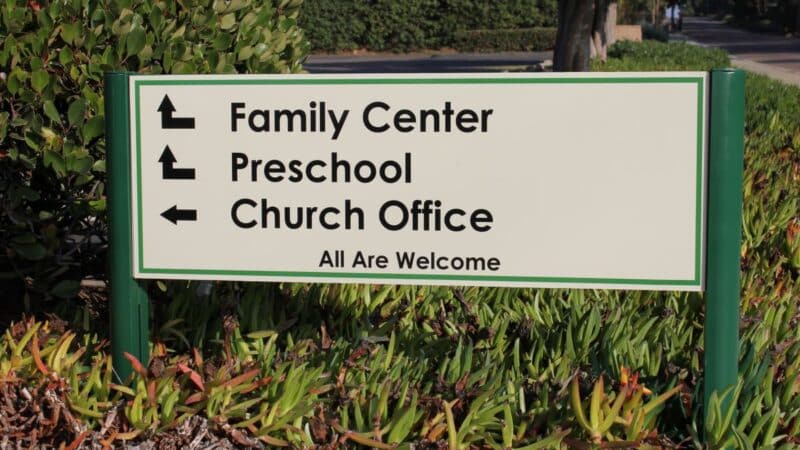
The emphasis on more economic buildings and the trend to make church buildings less intimidating to the unchurched are resulting in simpler exteriors with less ornamentation and trim. Church exteriors are more and more resembling community centers and schools. Church facilities today must include plenty of adequate, well-landscaped and well-lighted parking. Signage must be professional and designed to help the first time visitor find their way. Many churches are providing walking trails, fountains, ponds, outdoor meeting spaces, prayer gardens and a variety of outdoor recreational facilities.
Foyers and Gathering Spaces
Foyers are getting larger to accommodate multiple services and large numbers of people who use the foyer as a place of fellowship between services. These gathering spaces often include built-in visitor reception areas in which volunteers greet visitors, helping them find their way to their particular group or event. Visitor reception areas are information centers where the visitor or new member can learn all about the various ministries of the church.
Worship Spaces
Some portions of church buildings will be windowless as worship and fellowship spaces rely more on special lighting effects and projected images. Worship spaces are becoming more like a theater with individual seats rather than pew seating. In some churches, the chancel and choir loft have become more like a performing arts stage. Acoustics are based on the use of sound systems and on recording and broadcasting requirements.
Fellowship and Educational Space
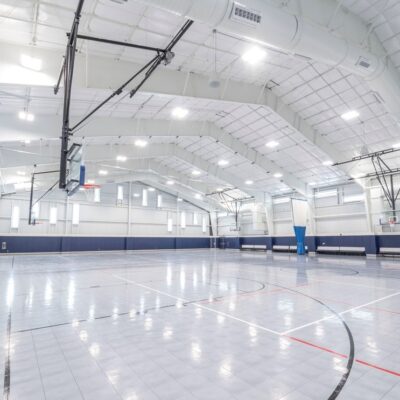
Fellowship halls and other multi-use spaces are being used to serve a variety of functions, some being used as gymnasiums at one time and to serve fellowship dinners and large meetings at other times. These spaces often have their own stages with elaborate sound and lighting systems.
Sunday school spaces are becoming multi-purpose, with flexible layouts and the use of operable walls. The quality of space provided for preschoolers must equal commercial daycare facilities as churches compete with private businesses. Children’s and youth spaces in some churches are being centered on large performance spaces with stages and flexible seating. Some churches are incorporating theme park features into children’s Sunday school areas, including costumed actors playing biblical characters.
The Megachurch
The really large churches are now providing bookstores, food courts, coffee shops, radio and TV stations, credit unions, beauty and barber shops, health food stores and physical fitness facilities. Many large campuses include retirement and assisted living communities and personal care homes. Some are even providing facilities to encourage the fine arts such as art classes, artist’s studios, art galleries, and a wide variety of music classes. These larger churches offer a full range of alternatives to secular entertainment and education.
Space Utilization Study
The purpose of this type of study is to determine how current space is being used and where there are problems due to overcapacity or shortages of space, and to come up with solutions, including possible rearrangement of existing space, reassignment of space, and, where necessary, expansion of space. Solutions to space problems should always be sought by making better use of existing space, before proposing to add new space.
1. Gather all available documents on existing buildings, including floor plans and any other available building plans.
2. Gather attendance records for recent years for all age groups and programs. Develop growth projections based on attendance patterns.
3. Measure and prepare floor plans for all areas where as-built plans are not available. Each room will be numbered and given a label based on current usage. Square footage of each space will be shown on plan.
4. The architect will survey entire facility, accompanied by a staff person, such as the minister of education, and at least one other church leader or minister.
5. The architect will meet with ministerial staff and lay leadership to review current and future needs for space. A decision will be made about developing a leadership questionnaire or a church membership questionnaire to help learn more about perceived needs.
6. A First Draft Report will be developed outlining and defining the problem and possible solutions. Existing Space Use plans will be included, with a chart showing capacity of each space and current attendance.
7. The architect and leadership or committee will meet to review existing usage, problem areas and discuss options for possible solutions to deal with problem areas.
8. Architect will propose changes to existing space allocation, moving classes, rearranging spaces and developing a Proposed Space Utilization Plan. If new space is needed, the architect will develop a Program of Space Needs to go with the Proposed Space Use Plan. A Final Report to include these documents will be developed by the architect and reviewed by leadership.
9. If requested, a Preliminary Project Budget for renovation and expansion will be prepared by the architect and included in the final Report.
10. The architect will be available to meet with the membership, answer questions and make a formal presentation to the church.
Many churches are discovering that it can be difficult to adapt traditional facilities to the new realities of the 21st century. The churches that are growing and starting new churches are the ones equipped with facilities that help them meet the spiritual and physical needs of their members and prospective members. As the modern church seeks to provide ministries relevant to 21st century life, it must be ready to provide the tools needed to allow it to minister to the whole person.
Robert C. Foreman, is president of Foreman Seeley Fountain Architecture, www.FSFarchitecture.com.
Product Roundup
Convertible Benches from Alfax Furniture
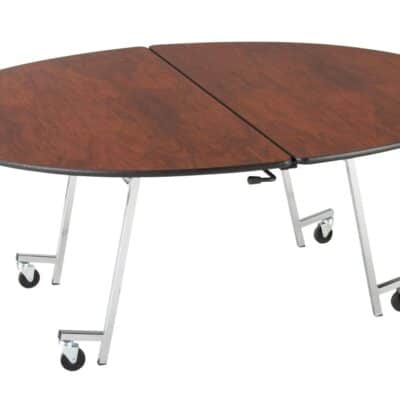
How do you solve the problem of furnishing an all-purpose room so that you don’t end up with more space for furniture than for people? It is easy when you’re furnishing the room with these convertible bench and table units. With an easy 90-degree rotation of the bench backrest, you now have a writing surface for multiple uses. Next, put two of these tops facing each other, and you have accommodations suitable for cafeteria or lunchroom purposes.
* To save on storage space, these units fold up and can be nested into each other.
* Choose from 6-foot, 7-foot, or 8-foot-wide models.
* All units have heavy-duty ball bearing swivel casters that make moving them into position a snap to do.
www.AlfaxFurniture.com
Glasswalls from Hufcor
Glasswalls are the newest addition to Hufcor's family of operable partitions. Beautiful glasswalls let natural light flood an interior space while providing a physical, but not a visual, barrier. Glasswalls are available in models that are:
* Frameless
* Wood-framed
* Acoustically rated
Hufcor offers a wide selection of models, sound control ratings, configurations, options and finishes. This wide selection allows you to choose the right product for your budget and needs.
www.hufcor.com
VersiPanel and VersiFold by MityLite
Mity-Lite VersiPanel and VersiFold portable partitions can make worship areas more versatile than ever before. The portable partitions are freestanding and flexible--offering superior sound control and pleasing visual effects.
* VersiPanel partitions are fabric-covered, semi-rigid, freestanding panels users can bend and shape.
* VersiFold partitions feature a safe, non-pinching design that comes with optional chalkboard or whiteboard accessories.
Systems can be used separately or together for added versatility.
www.mitylite.com
Church Chair’s Design Stacker I
Church Chair’s patented Design Stacker I is a most comfortable, durable stack chair. Size and comfort make the Design Stacker I a popular chair design with plush foam seat cushion and recessed back lumbar support. The chairs stack well for easy multi-purpose room use. Church Chair seating is famous for:
* Comfort
* Design
* Durability
* Quality
* Great looks
* Engineering and ergonomic innovation
www.churchchair.com
FREEstanding Room Dividers from Screenflex
FREEstanding Room Dividers from Screenflex can be positioned right where you need them, anytime you need them. They set up in just seconds. Just:
* Roll into position
* Unlock
* Pull open
* Position as desired
Multiple FREEstanding room dividers can be locked together to form unlimited lengths.
www.screenflex.com
Commercialite by McCourt Manufacturing
Commercialite is a strong, light and affordable indoor/outdoor folding table. The Blow Mold technology allows McCourt to produce polyethylene plastic tops to resist:
* Heat
* Stains
* Chemicals
* Physical damage
The U.S. Steel frame with wishbone folding leg system bolts through the tabletop, allowing the Commercialite to support more than 3,500 pounds.
www.mccourtmfg.com
Woodfold
Flexible space is vital to today’s church as it meets the varied needs of the congregation and community. Woodfold’s accordion and roll-up doors provide instant walls when needed.
* Custom-made Woodfold accordion doors are available in a variety of models to provide sight and acoustic space division.
* Suspended from an overhead track, doors are offered in heights to 12 feet and are easily opened and closed.
* Woodfold’s hardwood roll-up doors store conveniently overhead and are ideal for pass-through dividers between kitchens and fellowship halls.
www.woodfold.com