

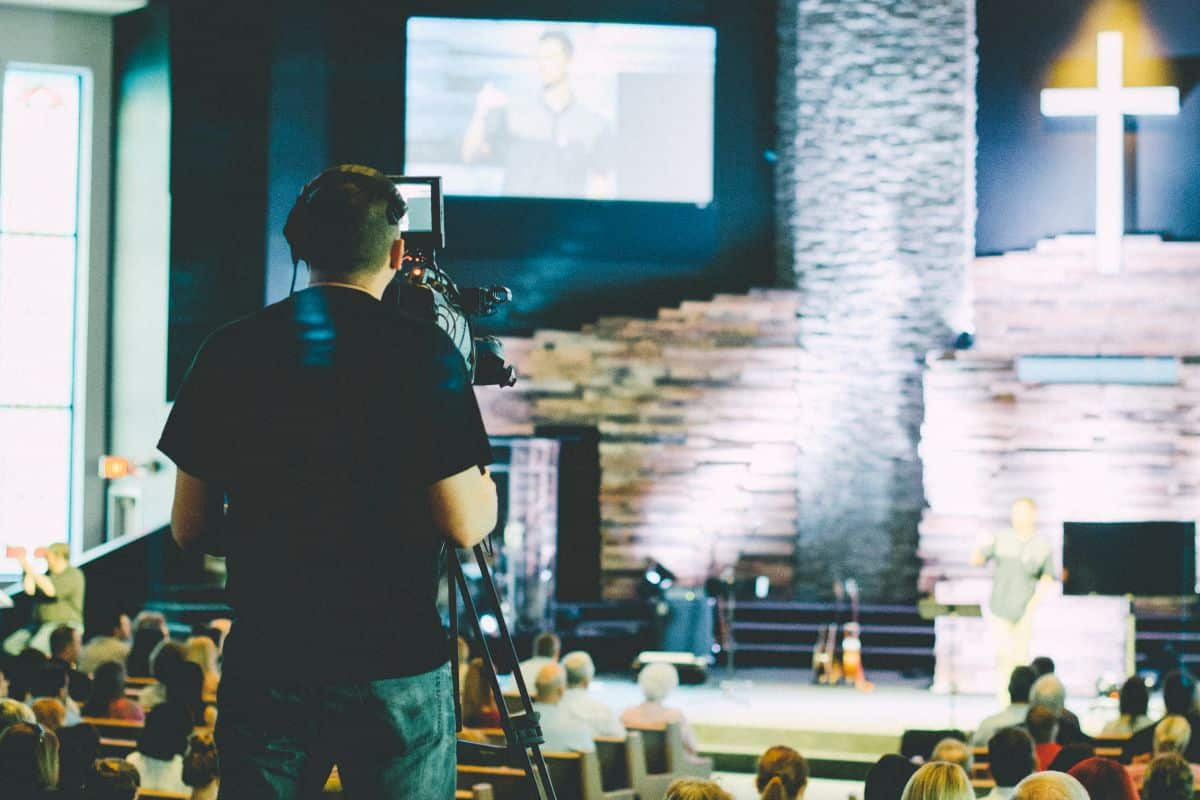
Hybrid worship is no longer the new thing. It’s the now thing.
Many church teams are navigating in-person and digital ministry with increasing complexity: livestreaming services, posting sermon clips, launching podcasts, managing email, app and text platforms, and tracking online engagement.
And, while many leaders have made incredible progress, the question remains: Is this working the way we hoped it would?
It’s a good time to pause and ask these questions: What does hybrid worship really look like in this season? And how can we continue strengthening it?
From a communications perspective, we believe the next shift isn’t about managing more tools—it’s about cultivating meaningful connection.
That’s especially true if we want to reach and disciple younger generations, like Gen Z, who are watching to see if the church really means what it says and if there’s space for them to belong.
Reframe the “Why” of Hybrid Worship
For many churches, hybrid worship started as a necessity when COVID closed their doors for in-person ministry for several weeks in 2020. Today, hybrid worship continues to evolve and is a strategic and spiritual opportunity to connect with more people in a variety of ways.
Hybrid worship is now a significant front door to your church, especially for people who are hesitant to visit in person, are exploring faith from a distance, or are unsure if church is for them.
For Gen Z, that digital entry point matters. Most will visit your website and social media platforms before they ever visit your church.
We know that people are not just looking for excellent content (we have SO much content to access anytime); they’re looking for real, relatable, trustworthy people living out their faith in the real world.
When you think of hybrid worship as a tool for discipleship and belonging and not just a different way to share your content, everything changes.
Try this question with your team: Are we just making content…or are we making connections?
Let Vision Shape Your Voice
Hybrid worship isn’t just a set of tech tools. It’s an extension of your church’s identity, and your voice should reflect that.
Whether someone is hearing a sermon, reading a post or joining online worship, they’re listening for tone. Younger generations, especially, are experts at detecting fluff and fake. They value realness over polish, and vulnerability over performance.
- If your church is known for being warm and down-to-earth, let that come through in your social media and livestream tone.
- If your pastor is honest about struggles and growth, share clips that reflect that not just the most polished points.
- If your church values connection and conversation, invite it into your digital spaces.
It’s not about perfect branding. It’s about being who you really are, consistently on and offline.
Creating Connection Through Your Tools
Churches typically have the tools and capacity to broadcast their content on several platforms, but they’re not always used to foster relationships.
Here’s how to shift the focus from platform to people:
- Lean into interaction. Gen Z thrives on engagement. Don’t we all, really? We don’t just want to consume; most people want to contribute. Give them space to respond, comment and ask questions. Use your platforms to foster discussion through warm and personal greetings, customized questions for the situation, polls, relevant follow-up tips and resources, etc. Use things like the Bible app to start groups and discuss the things you’re reading and learning.
- Share the “why,” not just information. Don’t just promote things, but instead tell stories. Share testimonies, volunteer experiences or everyday wins from your community. Help people know why something matters to help them show up both in-person and online.
- Make it easy to take a next step. Whether it’s attending a Zoom Bible study, signing up to serve, or praying for ministry impact, create clear next steps that help move people from online observers to active participants.
Equip Your Team to Show Up Authentically
One of the best things your church can do is encourage your staff and volunteers to be themselves on camera, in email messages and on social media.
- Empower younger team members or volunteers to help shape your digital voice. Gen Z doesn’t want to be spoken at; they want to help lead and be included.
- Show behind-the-scenes moments. Celebrate what’s really happening in your church family. When your online presence feels human and humble, it builds trust.
- Encourage leaders to engage with digital ministry personally, not just professionally. It matters when someone sees a youth leader reply to a comment or a pastor show up in stories during the week.
People follow people, so help your people come across just as they are and not a curated version of themselves.
Don’t Wait for “Perfect”
One of the biggest fears we see in churches is waiting to get everything just right before starting or improving their strategy.
You don’t need a viral video strategy or high-end livestreaming equipment. You just need to show up with intentionality, curiosity and heart.
What Gen Z (and, really, all of us) want most is presence over perfection.
Start small. Be consistent. Be transparent. Celebrate connection. Keep inviting people into something deeper than a broadcast but into a community centered on Christ.
Final Encouragement
We believe in the mission of the church. We believe in the leaders showing up week after week. We believe hybrid worship isn’t just a reaction to a moment; it’s a meaningful way to extend your church’s reach and deepen its roots.
Let’s keep showing up with humility and a relational focus.
In a noisy world filled with content, what people are really looking for is connection, authenticity and hope. Let’s be the church that offers that…online and in person.
Shayla Kenworthy is a partner and the director of marketing & business development at Fishhook, a communications agency that helps churches and ministries communicate clearly and creatively to reach more people for Christ, www.fishhook.us.